
Essential Guide to EMC Compliance for 2026: Achieve Regulatory Success
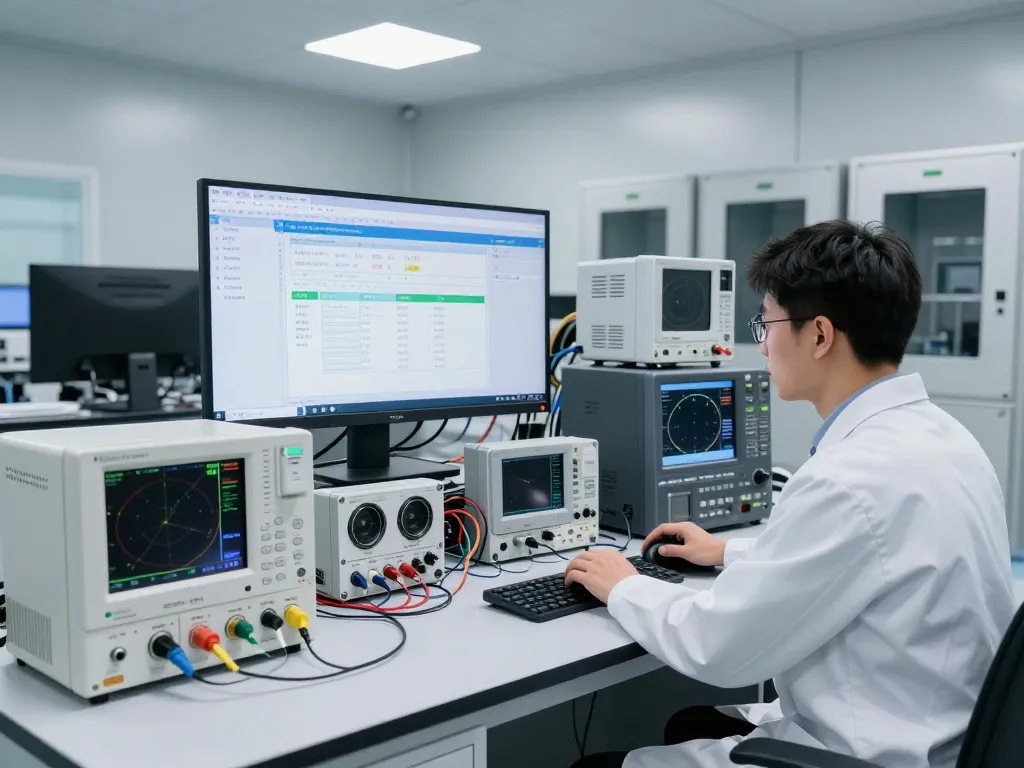
Understanding EMC Compliance: A Comprehensive Overview
In an increasingly interconnected world, the importance of Electromagnetic Compatibility (EMC) cannot be overstated. EMC compliance ensures that electrical devices operate effectively without causing interference to each other or external systems. This article delves deep into the intricacies of EMC compliance, examining its significance, the challenges faced by industries, and best practices for successful testing and certification. As you navigate your compliance journey, EMC compliance emerges as a crucial factor for technological advancement and market access.
What is EMC Compliance?
EMC compliance refers to a product’s ability to function without causing electromagnetic disturbances that could negatively affect other devices. In simpler terms, it ensures that a device does not emit excessive electromagnetic interference (EMI) and can also withstand a certain level of EMI from external sources. This dual capability is crucial for maintaining the integrity and reliability of devices in complex electromagnetic environments.
Importance of EMC in Modern Technology
The digital age has seen an explosion in the use of electronic devices, from smartphones to industrial machinery. As interconnectedness increases, so does the potential for interference. EMC compliance is vital for:
- Consumer Safety: Ensuring that devices operate without risk of malfunction due to electromagnetic interference, thereby protecting users.
- Product Reliability: Enhancing the durability and performance of devices in diverse operating environments.
- Market Access: Many countries mandate EMC compliance for products to be sold in their markets, making it a legal requirement.
Key Regulations and Standards Affecting EMC Compliance
Understanding the regulatory landscape is essential for companies seeking EMC compliance. Key regulations include:
- FCC Regulations: In the U.S., the Federal Communications Commission has established guidelines for electromagnetic emissions from devices.
- European EMC Directive: In Europe, products must meet the EMC Directive (2014/30/EU), which outlines essential requirements for electromagnetic compatibility.
- ISO/IEC Standards: International standards, such as ISO/IEC 17025, provide guidelines for testing and calibration laboratories.
Challenges in Achieving EMC Compliance
While EMC compliance is crucial, organizations often encounter various challenges on their journey towards compliance. Identifying these obstacles early can help streamline the testing and certification processes.
Common Misconceptions About EMC Testing
One prevalent misconception is that EMC testing is a one-time event. In reality, it is an iterative process that may require multiple iterations of product design and testing to achieve compliance. Additionally, many assume that compliance can be achieved without detailed understanding and planning, which can lead to costly delays.
Identifying and Overcoming Obstacles in Compliance
Common challenges include:
- Complex Product Designs: As technology evolves, products become more complex, leading to difficulties in ensuring compliance throughout the design process.
- Insufficient Testing Facilities: Not all manufacturers have access to advanced testing labs, which can limit their ability to prepare for regulatory standards.
- User Misunderstanding: Lack of awareness among product developers about the importance of EMC compliance can lead to negligence in early design phases.
Impacts of Non-Compliance: Risks and Consequences
Failing to achieve EMC compliance can result in significant risks, including:
- Legal Penalties: Companies may face fines and legal action if their products do not meet local regulatory standards.
- Market Rejection: Non-compliant products can be barred from entering certain markets, severely impacting sales and brand reputation.
- Safety Hazards: Devices that do not adhere to EMC regulations may pose safety risks to users and can lead to severe liabilities.
Best Practices for Successful EMC Compliance Testing
To navigate the complexities of EMC compliance successfully, businesses must adopt strategic approaches in their testing and design processes.
Preparing for EMC Compliance Testing
Preparation is key to achieving compliance. Steps include:
- Thorough Design Reviews: Conduct detailed design reviews to identify potential EMI sources and mitigate them before testing.
- Component Selection: Choose components that meet EMC standards to enhance the likelihood of initial compliance.
- Pre-compliance Testing: Use pre-compliance testing to identify issues before official testing, allowing for adjustments to be made without significant delays.
Integrating Design Modifications for Better Compliance
Making design modifications based on test results is crucial. Techniques include:
- Grounding and Shielding: Implement effective grounding and shielding techniques to reduce EMI emissions.
- PCB Design Considerations: Use layout strategies that minimize EMI, such as careful routing of traces and placement of components.
- Encapsulation: Consider encapsulating sensitive components to protect them from electromagnetic disturbances.
Evaluating EMC Test Results: What to Look For
Once testing is complete, interpreting the results is vital. Key areas to evaluate include:
- Emission Levels: Compare emission levels against regulatory limits to determine compliance.
- Susceptibility Testing: Evaluate how well a product withstands external electromagnetic fields.
- Documenting Findings: Keep detailed records of test results, modifications made, and compliance status for audit purposes.
Industries Impacted by EMC Compliance Requirements
EMC compliance is not limited to a single sector; various industries are significantly impacted by these requirements, each facing unique challenges and standards.
Telecommunications and Medical Device Compliance
In the telecommunications sector, compliance ensures that devices can operate without interfering with each other or causing disruptions in service. Medical devices must adhere to stringent EMC standards as they often operate in environments with multiple electronic systems, making compliance essential for patient safety.
Automotive EMC Standards: What You Need to Know
The automotive industry is subject to rigorous EMC standards to ensure that vehicles can operate safely in electromagnetic environments. Compliance with regulations such as ECE Regulation 10 and ISO 16750 is crucial for vehicle manufacturers, particularly as vehicles become increasingly reliant on electronic systems.
Emerging Technologies and Their Compliance Needs
As new technologies arise, so do the challenges of compliance. Industries such as robotics and advanced lighting are emerging fields that demand innovative approaches to EMC testing and compliance, necessitating ongoing adaptation to new regulatory frameworks.
Future Trends in EMC Compliance for 2026 and Beyond
The landscape of EMC compliance will continue to evolve as technology advances and regulatory environments change. Staying ahead of these trends is essential for businesses aiming for sustainable compliance.
Technological Advancements Impacting Compliance Testing
As testing technologies evolve, tools such as simulation software and advanced measurement equipment will enhance the accuracy and efficiency of EMC compliance testing. These advancements enable designers to test scenarios virtually, leading to more effective design modifications and compliance strategies.
Predicted Changes in EMC Regulations
Regulatory bodies are set to refine their standards to keep pace with technological innovations. Organizations must closely monitor these changes to ensure that their products continue to meet evolving compliance requirements.
Preparing Your Products for Future Challenges
To future-proof products, companies should:
- Invest in R&D: Focus on research and development for innovative designs that anticipate EMC challenges.
- Collaborate with Compliance Experts: Engage with professionals who specialize in EMC compliance early in the design process.
- Foster a Compliance Culture: Instill a culture of compliance within the organization to ensure that all team members understand the importance of EMC regulations.
What is EMC compliance testing?
EMC compliance testing assesses whether a product meets established electromagnetic compatibility standards. It involves rigorous evaluation of the product’s electromagnetic emissions and susceptibility to interference, ensuring that it can operate effectively in its intended environment.
Are there specific standards for automotive EMC compliance?
Yes, the automotive industry is governed by specific EMC standards such as ECE Regulation 10 and ISO 16750. These regulations dictate the performance requirements for automotive electronic components to ensure safety and reliability.
What industries require EMC compliance?
EMC compliance is a requirement across various industries, including telecommunications, automotive, medical devices, consumer electronics, and industrial machinery. Each sector has distinct standards tailored to its operational needs.
How can I ensure my product meets EMC standards?
To ensure compliance, conduct thorough pre-compliance testing, engage in iterative design improvements, and stay informed about relevant regulations. Additionally, partnering with experienced EMC testing laboratories can provide invaluable insights and assistance.
What are the consequences of failing EMC compliance?
Consequences of non-compliance include the potential for legal penalties, market rejection, and safety hazards that could lead to liabilities. Consequently, investing in EMC compliance is not just a regulatory obligation; it’s essential for safeguarding the integrity of your products and brand.