
4 Powerful Bed Bug Pest Control Strategies for Homeowners
Understanding Bed Bugs: The Pest Control Challenge
Bed bugs pose a serious challenge to homeowners and renters alike, feeding on human blood and causing significant distress through their bites. These tiny, elusive pests have made a resurgence in recent years, leading to a growing demand for effective bed bug pest control solutions. Understanding their biology, behavior, and the best treatment options can make all the difference in eradicating an infestation and preventing future problems.
What Are Bed Bugs and Why Are They a Problem?
Bed bugs (Cimex lectularius) are small, wingless insects that thrive in environments where humans sleep or rest. They are notorious for their nocturnal feeding habits, emerging at night to feed on unsuspecting hosts. One of the primary reasons they are a problem is their rapid reproduction. A single female bed bug can lay hundreds of eggs in her lifetime, leading to infestations that can spiral out of control if not addressed promptly.
Signs of Bed Bug Infestation You Should Know
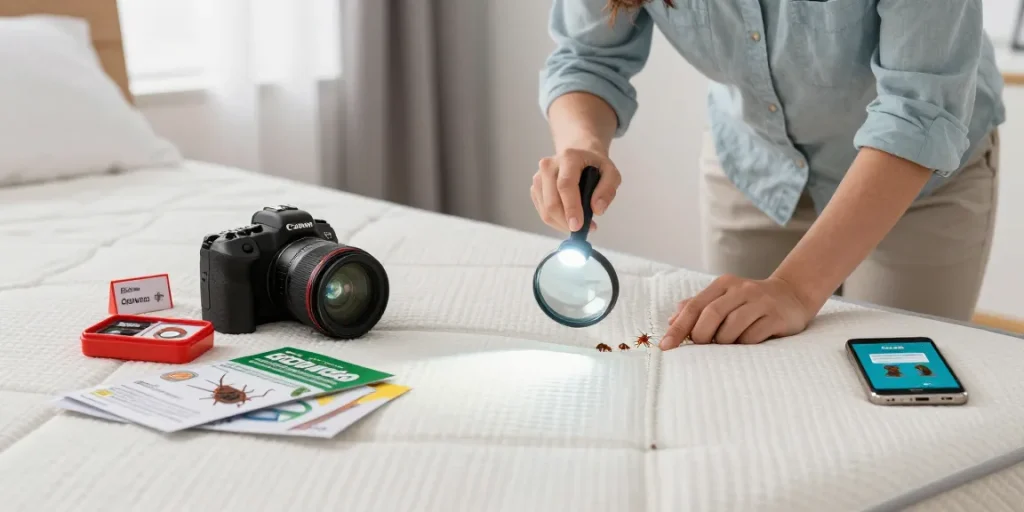
Identifying a bed bug infestation in its early stages is crucial for effective control. Key signs to look for include:
- Red, itchy bites on the skin, often in a line or cluster.
- Small blood stains on sheets or pillowcases from crushed bugs.
- Dark, inky spots of fecal matter on mattresses or walls.
- Presence of shed exoskeletons from molting.
- Unpleasant, musty odors in heavily infested areas.
Common Misconceptions About Bed Bug Pest Control
Many people believe that bed bugs are only found in dirty environments; however, they can infest any home, regardless of cleanliness. Additionally, the misconception that DIY treatments are sufficient often leads to more significant infestations and a greater reliance on professional extermination services.
Effective Bed Bug Pest Control Methods
When facing a bed bug infestation, there are several effective treatments available. Understanding the pros and cons of each method can help you make an informed decision regarding the best approach for your specific situation.
Heat Treatment vs. Chemical Treatment: What Works Best?
Heat treatment has gained popularity as an eco-friendly option for eliminating bed bugs. It involves raising the temperature of the infested area to a lethal level for bed bugs and their eggs. While this method is effective and quick, it can require specialized equipment. On the other hand, chemical treatments involve the use of insecticides to create a residual barrier that kills bed bugs over time. Both methods can be effective, but often a combination of both provides the most reliable outcomes.
Implementing Integrated Pest Management Strategies
Integrated Pest Management (IPM) is a comprehensive approach that combines various strategies to control bed bug populations effectively. This includes:
- Regular inspections of sleeping areas.
- Travel precautions such as inspecting luggage before bringing it inside.
- Using encasements on mattresses and box springs to prevent bed bugs from hiding.
- Seal cracks and crevices where bed bugs can hide.
- Ongoing monitoring and education to prevent re-infestations.
DIY Solutions for Early Detection and Treatment
For those who suspect a bed bug problem, early intervention can save time and money. Simple DIY solutions include vacuuming frequently, using steamers on mattresses, and applying diatomaceous earth in areas where bed bugs are suspected. While these methods can help control low-level infestations, they are not a substitute for professional treatment if the problem escalates.
Cost Considerations for Professional Bed Bug Extermination
Understanding the costs associated with professional bed bug extermination can help homeowners budget effectively for treatment. Pricing can vary significantly based on the size of the infestation and the specific methods used.
Understanding Pest Control Pricing Models
Many pest control companies charge based on the square footage of the infested area or offer flat-rate packages that include multiple treatments. It’s essential to clarify what services are included in any quote and to ask about potential additional costs related to preparation or follow-up visits.
Assessing the Value of Professional Services
Hiring a professional pest control service offers numerous advantages, including access to advanced treatment options and the expertise to handle severe infestations. While the initial cost may seem high, the long-term savings from effective treatment can outweigh the expense of repeatedly addressing a recurring bed bug problem.
Budget-Friendly Alternatives and Solutions
For those on a tight budget, consider combining DIY efforts with professional consultations. Some companies offer limited-prep options that can lower costs while still delivering effective results, allowing for a tailored approach to pest management.
Preventing Future Infestations: Best Practices
Once a bed bug infestation has been eradicated, taking steps to prevent future issues is vital. These practices can help maintain a bed bug-free environment.
Keeping Your Home Bed Bug-Free: Top Tips
- Regularly inspect and clean bedding, linens, and upholstery.
- Use bed bug-proof encasements on mattresses and box springs.
- Be cautious when traveling; check hotel rooms for signs of bed bugs.
- Keep clutter to a minimum to reduce potential hiding spots.
Importance of Regular Inspections and Monitoring
Establishing a routine inspection schedule can catch early signs of bed bugs before they become a more extensive problem. Homeowners should consider conducting inspections every few months, particularly in areas prone to pest infestations.
Educating Others About Bed Bug Awareness
Spread awareness in your community about the risks and signs of bed bug infestations. Education can empower individuals to take proactive measures and foster a collective effort to control bed bugs in shared living spaces.
Real-Life Success Stories in Bed Bug Pest Control
Understanding the experiences of others can provide valuable insights into effective pest control solutions and encourage action against infestations.
Case Studies of Effective Extermination
In one notable case, a multi-unit apartment complex faced a significant bed bug outbreak. After a thorough inspection and treatment using both heat and chemical methods, the infestation was eradicated within weeks. Ongoing monitoring and tenant education played a crucial role in keeping the property bed bug-free moving forward.
Client Testimonials: Experiences with Our Services
Many clients have shared positive experiences in dealing with bed bug infestations. Testimonials often highlight the thoroughness and professionalism of pest control teams, along with the peace of mind that comes from eradicating these pests effectively.
Lessons Learned from Past Infestations
Both successes and failures provide critical lessons in pest management. Learning from past experiences helps refine strategies, improve communication between tenants and landlords, and foster a culture of vigilance against bed bugs.
What are the most effective bed bug pest control treatments?
The most effective treatments often combine heat and chemical approaches, tailored to the specific needs of the infestation. It’s essential to consult with professionals to determine the best course of action.
How often should I schedule pest control for bed bugs?
Generally, it’s advisable to perform inspections quarterly or bi-annually, especially if you live in a high-risk area or are frequently exposed to environments where bed bugs are common.
Can I prevent bed bugs from entering my home?
While complete prevention is challenging, taking proactive measures such as inspecting second-hand furniture, checking luggage after travel, and being cautious in communal living spaces can significantly reduce the risk of introducing bed bugs into your home.
What should I do if I suspect a bed bug infestation?
If you suspect you have bed bugs, it’s crucial to act quickly. Document any signs such as bites or sightings and contact a professional pest control service to assess the situation and recommend appropriate treatment.
How long does bed bug pest control treatment take?
The duration of treatment can vary based on the severity of the infestation and the methods employed. Generally, initial treatments can take a few hours, while complete eradication and follow-up treatments may take several weeks.