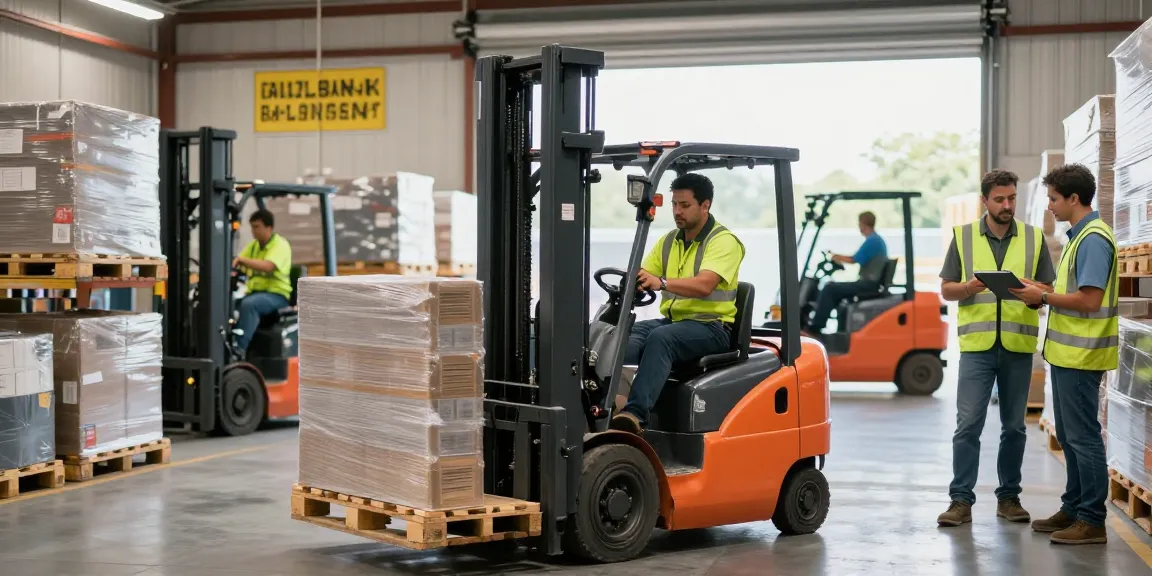
Understanding Construction Advocacy
Definition and Importance
Construction advocacy encompasses the various efforts and initiatives taken to represent the interests and rights of those involved in the construction industry. This includes contractors, workers, consultants, and community members who are directly impacted by construction projects. The significance of construction advocacy lies in its ability to ensure that the construction practices are conducted ethically, safely, and sustainably. By championing the interests of all stakeholders, advocacy plays a crucial role in shaping policies and regulations that govern construction processes.
The Role of Advocacy in the Construction Industry
Advocacy in the construction industry serves several critical functions. It helps to create dialogue between various stakeholders, including government bodies, industry professionals, and the general public. This communication fosters an understanding of the construction sector's needs and challenges, promoting a collaborative approach to address these issues. Through advocacy, stakeholders can effectively lobby for improved regulations and better working conditions, ultimately resulting in a more robust construction environment.
Key Stakeholders in Construction Advocacy
Construction advocacy involves a diverse array of stakeholders, each bringing unique perspectives and goals. Key players include:
- Contractors and Builders: These professionals often lead advocacy efforts to ensure fair regulations and support mechanisms.
- Labor Unions: Unions represent the interests of workers, fighting for safe working conditions and equitable labor practices.
- Community Members: Local residents are directly affected by construction projects and advocate for their needs and concerns to be addressed.
- Government Agencies: Regulatory bodies play a key role in shaping policies and can be influenced by advocacy efforts for better standards.
Benefits of Construction Advocacy
Enhancing Community Support and Engagement
One of the primary benefits of construction advocacy is fostering community support. Engaging local stakeholders in the advocacy process can lead to better community relationships and increased public trust. When community members feel their voices are heard, they are more likely to support construction projects. This can lead to smoother approvals and less opposition during the construction phase, ensuring projects are completed on time and within budget.
Improving Safety Standards and Regulations
Through effective advocacy, the construction industry can push for higher safety standards and more stringent regulations. By promoting a culture of safety, firms can reduce workplace accidents, resulting in a healthier workforce and lower insurance costs. Advocacy groups can also highlight the importance of training programs, emphasizing the need for continual education on the latest safety practices and technologies.
Creating Sustainable Practices
Advocacy plays a vital role in promoting sustainable construction practices. By pushing for policies that incentivize green building materials and energy-efficient designs, advocacy organizations can help the industry reduce its environmental footprint. They can also raise awareness about the long-term cost savings associated with sustainable practices, encouraging stakeholders to invest in eco-friendly technologies and methods.
Strategies for Effective Construction Advocacy
Building Partnerships with Local Organizations
Creating strong alliances with local organizations is essential for successful advocacy. By partnering with non-profits, community groups, and trade associations, advocacy efforts can gain more traction and visibility. These partnerships can also provide valuable resources, networks, and platforms for voicing community concerns, ultimately leading to more comprehensive and effective advocacy strategies.
Raising Awareness through Campaigns
Effective advocacy relies on coherent awareness campaigns. These campaigns can highlight the importance of construction advocacy and address specific issues within the industry. Successful campaigns often use a mix of traditional media, public speaking events, and community forums to spread their message. By educating both the general public and industry professionals about advocacy efforts, organizations can mobilize support and drive change.
Leveraging Social Media for Impact
In today's digital age, social media platforms serve as powerful tools for construction advocacy. By utilizing channels like Twitter, Facebook, and LinkedIn, advocates can reach broader audiences and engage stakeholders in meaningful dialogue. Regular updates, educational posts, and interactive discussions can keep the conversation alive, ensuring ongoing support for advocacy initiatives.
Challenges in Construction Advocacy
Navigating Regulatory Hurdles
Construction advocacy often faces significant regulatory obstacles. The complex nature of local, state, and federal regulations can make it challenging for advocates to navigate the existing legal landscapes. Advocacy groups must be well-informed about the laws governing construction and capable of working within these structures to effect meaningful change. This may involve extensive research and collaboration with legal experts.
Balancing Interests of Diverse Stakeholders
With so many stakeholders involved in construction advocacy, finding a balance among differing interests can be difficult. Advocates must ensure that the voices of all parties are represented and that their needs are addressed. Effective communication and negotiation skills are essential in these situations, as well as the ability to facilitate discussions that foster compromise and understanding.
Addressing Public Perception and Misunderstandings
Public perception can significantly influence the outcomes of construction advocacy. Misunderstandings or negative stereotypes about the construction industry can hinder positive advocacy efforts. It is crucial to address these perceptions head-on with clear, factual messaging. Engaging with the public through education and transparency can help build trust and support for construction initiatives.
Future of Construction Advocacy
Emerging Trends and Innovations
The future of construction advocacy will likely be shaped by emerging trends and innovations in technology and methodology. With a growing emphasis on sustainability, advocates will increasingly focus on pushing for greener policies that promote responsible development practices. Additionally, new construction technologies like modular construction and artificial intelligence will present unique advocacy opportunities and challenges that stakeholders must address.
The Role of Technology in Advocacy
Technological advancements will play a pivotal role in enhancing construction advocacy efforts. Utilizing data analytics can help advocates identify key issues within the construction sector and measure the impact of their initiatives. Moreover, digital platforms can streamline communication and collaboration among stakeholders, allowing for quicker and more effective responses to emerging challenges.
Strategic Goals for Future Advocacy Initiatives
As construction advocacy evolves, setting clear strategic goals will be essential. These goals should prioritize safety, sustainability, and community engagement, ensuring that advocacy efforts remain focused on addressing the most pressing industry challenges. Conducting regular assessments of advocacy initiatives will allow organizations to adapt their approaches based on changing circumstances, feedback, and results.
Frequently Asked Questions
What is the primary purpose of construction advocacy?
The main purpose of construction advocacy is to represent the interests of stakeholders in the construction industry, ensuring ethical practices, safety, and sustainability.
Who are the key stakeholders in construction advocacy?
Key stakeholders include contractors, labor unions, community members, and government agencies, each contributing to the advocacy efforts.
How can construction advocacy benefit communities?
Construction advocacy can enhance community support, improve safety standards, and promote sustainable practices, benefiting both residents and industry professionals.
What challenges do advocates face in construction?
Challenges include navigating complex regulations, balancing stakeholder interests, and addressing public perceptions of the construction industry.
How is technology influencing construction advocacy?
Technology aids in data analysis, streamlining communication among stakeholders, and providing innovative solutions for addressing industry challenges.