Mastering Colonial Home Construction: A Guide to Timeless Design and Quality Craftsmanship
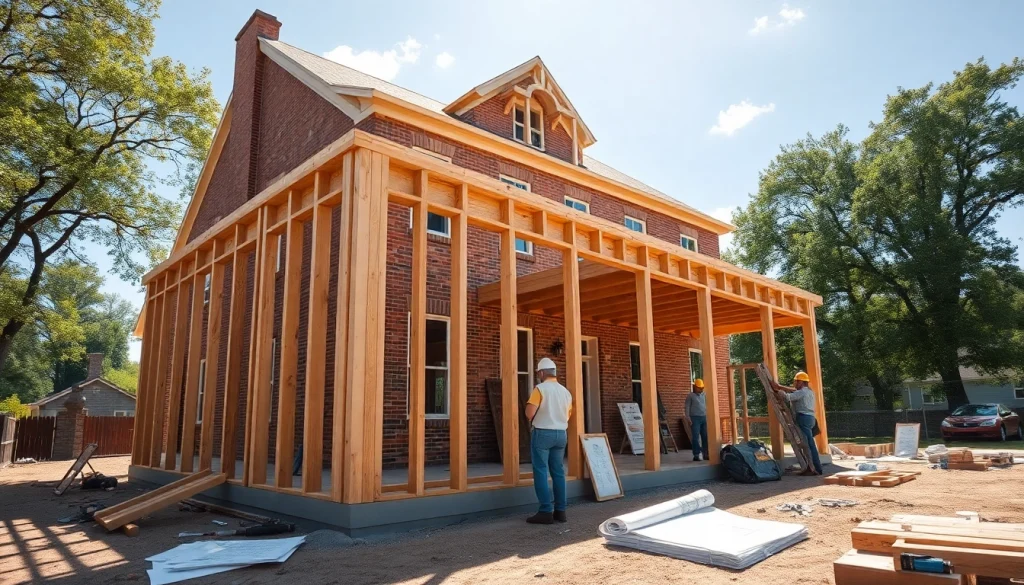
Understanding Colonial Home Construction
Colonial home construction stands as a testament to the rich architectural history of America, encompassing styles and designs that date back centuries. These homes, characterized by their symmetrical facades and traditional detailing, have remained timeless in their appeal. Whether you’re a homeowner, an architect, or just an enthusiast of classic designs, understanding the nuances of colonial homes is essential. To delve deeper into the intricacies of colonial home construction, this article will explore the defining elements of this distinctive style, the materials used, and its historical significance.
What Defines Colonial Architecture?
At the core of colonial architecture is its historical context. Originating from the colonial period when European settlers brought their architectural influences to America, colonial homes showcase a blend of functional design and aesthetic charm. Characteristic features of colonial homes include:
- Symmetry: Colonial homes are typically designed with a balanced layout, where windows and doors are evenly spaced.
- Gable Roofs: Steeply pitched gable roofs are common, often adorned with decorative cornices.
- Classic Windows: Double-hung windows with divided panes represent a hallmark of the colonial style.
- Porches: Many colonial homes feature prominent porches that enhance their welcoming appeal.
This blend of beauty and practicality underscores why colonial architecture continues to resonate with homeowners and builders alike today.
Key Materials in Colonial Home Construction
The authenticity of colonial home construction is intricately tied to the materials selected for its build. Understanding these materials is vital for preserving the integrity and charm of these homes. The most common materials include:
- Wood: Used for framing, flooring, and siding. The use of local wood types can enhance aesthetic and structural integrity.
- Brick: Particularly prevalent in the late colonial period, brick adds durability and can be historically significant.
- Stone: Used for foundations and sometimes for countertops, stone is admired for its sturdiness and natural beauty.
- Stucco: Often used for finishing, stucco provides a distinctive surface appearance and has excellent insulating properties.
In addition to choosing traditional materials, modern technology offers innovative alternatives that can serve the same aesthetic and functional purposes, allowing for greater flexibility in design.
The Historical Significance of Colonial Homes
Colonial homes are not just structures; they represent a significant period in American history. They bear witness to the social, political, and economic factors of their time. Built primarily between the 1600s and 1800s, colonial homes reflect the lives of early American settlers and their adaptation to new environments. Notable points of historical significance include:
- Symbol of Settlement: Colonial homes mark the establishment of communities and reflect the desires of settlers for permanence and stability.
- Cultural Fusion: The designs often integrate various European architectural styles, depicting the melting pot of cultures that formed early America.
- Functional Design: The layout and materials often resulted from available resources, showing ingenuity in overcoming challenges.
The colonial style represents a confluence of heritage and innovation, reminding us of the resilience and creativity of those who came before us.
Planning Your Colonial Home Construction Project
Embarking on a colonial home construction project requires thorough planning and consideration. The following sections provide essential insights to guide you through this process, ensuring that your project is both successful and aligns with the historical integrity of colonial architecture.
Essential Factors to Consider
Before commencing your construction project, several critical factors need to be analyzed:
- Regulatory Compliance: Ensure alignment with local zoning laws, building codes, and historical preservation regulations.
- Budget Planning: Establish a realistic budget that includes all phases of construction, materials, and unforeseen expenses.
- Timeline: Create a detailed timeline that outlines the stages of construction and potential delays to avoid disruptions.
- Sustainability Goals: Consider incorporating sustainable practices that align with modern construction standards while maintaining colonial aesthetics.
Thorough planning helps to mitigate risks and streamline the construction process, ultimately leading to a more successful outcome.
Choosing the Right Location
The location of your colonial home construction plays a crucial role in its overall success. Several aspects should be weighed carefully:
- Historical Context: Consider an area rich in history that complements the architectural style of colonial homes.
- Accessibility: Evaluate access to roads, schools, and amenities that contribute to convenience in daily life.
- Environmental Factors: Analyze local climate and land elevation to ensure structural integrity and comfort.
- Future Development: Research potential development in the area that could impact property value or neighborhood desirability.
Choosing the right location lays the foundation for future appreciation of your investment as well as your personal satisfaction.
Consulting with Experts in Colonial Design
One of the most noble steps in ensuring an authentic colonial home is enlisting the help of experts. Collaborate with:
- Architects: Specialists in colonial architecture can provide insights into design elements and practical adaptations.
- Contractors: Experienced builders understand the nuances of working with traditional materials and techniques.
- Historians: Professionals well-versed in architectural history can offer valuable context and guidance to ensure historical accuracy.
- Interior Designers: Experts familiar with colonial interior design can help maintain consistency throughout your home.
Working with a knowledgeable team ensures a holistic approach to your project, enhancing both its design and functionality.
Design Elements of Colonial Homes
Designing a colonial home involves a keen understanding of the key elements that define this style. From structural features to interior layouts, every detail contributes to the overall charm and functionality.
Exterior Features of Colonial Home Construction
The exterior of colonial homes is distinctive and brings together elements of simplicity and grandeur:
- Front Facades: Most colonial homes have a centered front door, often framed by decorative moldings and flanked by sidelights.
- Window Design: Traditionally, windows are adorned with shutters and arranged symmetrically, which adds to the sense of balance.
- Chimneys: Prominent chimneys not only provide functionality but serve as significant architectural features.
- Pillars and Colonades: Many colonial homes include elegant porches supported by well-defined columns that invite social interaction.
These features create a warm and welcoming exterior, blending aesthetics and purpose seamlessly.
Interior Layout and Design Ideas
Inside, colonial homes often feature layouts that prioritize functionality without sacrificing elegance. Common design elements include:
- Open Floor Plans: Colonial designs often utilize open spaces that connect key living areas, enhancing flow.
- Fireplaces: Originally designed for heating, fireplaces now serve aesthetic functions and are often the focal points of living areas.
- Traditional Fixtures: Incorporating period-appropriate fixtures, such as wrought iron, adds authentic character to the space.
- Simple Color Palettes: Neutral tones with splashes of traditional colors create a sense of warmth and continuity.
These design choices foster an inviting atmosphere, celebrating history without compromising modern needs.
Incorporating Modern Amenities in Colonial Homes
While honoring the traditional design of colonial homes, it is essential to integrate modern amenities for convenience and comfort:
- Smart Technology: Consider integrating smart home systems for lighting, security, and heating to enhance functionality.
- Energy Efficiency: Use insulation and energy-efficient appliances that ensure comfort while minimizing utility costs.
- Contemporary Kitchen Designs: Kitchens can maintain colonial aesthetics while supporting modern functionality with updated layouts and appliances.
- Open-concept Spaces: Thoughtful modifications to traditional layouts can create inviting open spaces while maintaining the charm.
Successfully merging old and new creates spaces that embrace contemporary life while respecting historical roots.
Sustainable Practices in Colonial Home Construction
As the focus on sustainability grows, incorporating eco-friendly practices into colonial home construction has become paramount. This section provides insights into how sustainability can be seamlessly integrated into your project.
Eco-Friendly Materials and Techniques
The materials chosen for construction play a pivotal role in achieving sustainability. Consider the following options:
- Reclaimed Wood: Utilizing reclaimed wood not only adds charm but reduces the demand for new lumber.
- Low-VOC Paints: Choosing paints with low volatile organic compounds helps maintain indoor air quality.
- Natural Insulation: Options like cellulose or sheep’s wool offer effective insulation while minimizing environmental impact.
- Locally Sourced Materials: Sourcing materials locally reduces transportation emissions and supports the local economy.
Adopting eco-friendly materials not only contributes to environmental stewardship but can also lower long-term maintenance costs.
Energy Efficiency in Design
Incorporating energy-efficient solutions into the design of your colonial home enhances its sustainability:
- Solar Panels: Installing solar panels discreetly on roofs provides renewable energy while preserving aesthetic appeal.
- High-Performance Windows: Energy-efficient windows help regulate indoor temperatures while maintaining historical integrity.
- Smart Thermostats: These devices optimize heating and cooling, ensuring comfort and energy savings.
- Strategic Window Placement: Positioning windows for natural light maximizes daylight while minimizing the need for artificial lighting.
Optimizing energy efficiency not only enhances comfort but also demonstrates commitment to sustainability.
Long-term Maintenance Considerations
To preserve the beauty and functionality of colonial homes over time, consider the following maintenance practices:
- Regular Inspections: Routine checks of the roof, foundation, and external features can catch issues early before they escalate.
- Preserving Original Elements: Maintain traditional features like shutters and moldings to retain the historic value of the home.
- Consistent Cleaning: Ensure that gutters and downspouts are kept clear to prevent water damage to the structure.
- Seasonal Maintenance: Engage in seasonal tasks like painting or sealing to protect against the elements.
Attention to maintenance prolongs the life and beauty of your colonial home, guarding against deterioration and preserving its charm.
Real-Life Examples of Colonial Home Construction
To inspire your colonial home construction journey, exploring successful case studies and notable designs can provide valuable insights. These examples reflect creativity, authenticity, and careful planning.
Case Studies: Successful Projects
Consider the following successful projects that exemplify the qualities of colonial home construction:
- The Hawthorne House: A restored colonial home that revitalizes historical elements while incorporating modern design, providing a seamless union between the old and new.
- The Andrews Residence: Showcases a blend of sustainable practices and classic design, integrating solar roofing with traditional aesthetics.
- Colonial Revival Bungalow: An innovative twist on colonial architecture, this project exudes character with a contemporary open floor plan and eco-friendly materials.
These projects demonstrate how visionary thinking and adaptive strategies can yield stunning results in colonial home construction.
Lessons Learned from Colonial Home Construction
From various projects, several key lessons emerge:
- Prioritize Research: Thorough research into historical contexts and architectural styles yields richer designs.
- Adaptability is Key: Flexibility in design allows for innovation while respecting traditional elements.
- Collaboration Enhances Quality: Engaging with experts from various fields results in comprehensive solutions.
- Embrace Sustainability: Merging modern amenities with sustainable practices fosters both comfort and environmental responsibility.
These lessons provide guidance for future colonial home construction projects, focusing on authenticity and practicality.
Inspiring Colonial Home Designs to Consider
Numerous colonial home designs can serve as inspiration for prospective builders:
- Classic Georgian: Defined by its symmetrical design and grand entryways, this style epitomizes colonial elegance.
- Federal Style: Known for its refined detailing and elegant proportions, the Federal style remains a favorite among homeowners.
- Dutch Colonial: This style is recognized for its gambrel roof and expansive porches, offering a unique take on colonial architecture.
- Saltbox: Characterized by its long roofline that slopes down to the back, this style exudes charm and practicality.
By exploring these designs, homeowners can select what resonates with their aesthetic preferences while appreciating the historical context.
Frequently Asked Questions
What are the common features of colonial homes?
Colonial homes typically feature symmetrical facades, gable roofs, double-hung windows, and prominent chimneys, exuding classic charm.
How do I choose materials for colonial home construction?
Select materials like wood, brick, and stone to maintain authenticity, while considering sustainability for long-term benefits.
Can modern amenities be incorporated into colonial homes?
Yes, modern amenities can be seamlessly integrated while preserving traditional designs, enhancing comfort without sacrificing charm.
What role do experts play in colonial home construction?
Experts like architects and contractors provide invaluable insights, ensuring historical accuracy and modern functionality in construction projects.
How can I maintain the historical integrity of a colonial home?
Regular maintenance, the preservation of original elements, and informed renovations can maintain the historical integrity of colonial homes.